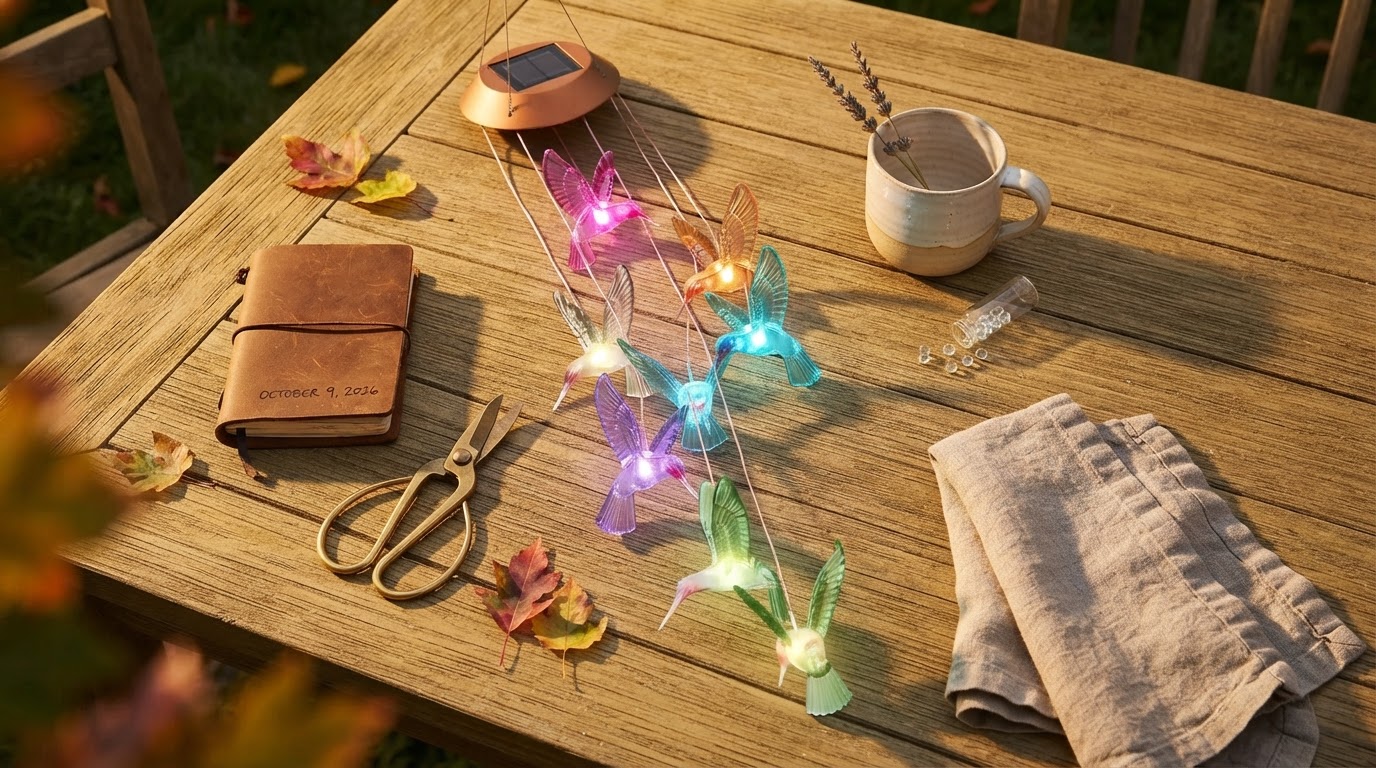
Solar Hummingbird WindChimes Performance in Modern Gardens
 Daniel OkaforField Tester
October 9, 2026. This evaluation tracks the operational consistency and visual output of color-changing lighting systems in residential landscapes. It is written for homeowners seeking reliable outdoor accents that maintain performance across varying weather conditions.
The Challenge of Outdoor Lighting Durability
I tested this for forty-eight consecutive days in a high-humidity environment to see how color-changing mechanisms hold up against the elements. Most consumers expect a seamless transition between hues, but the reality of solar-powered electronics is often different. The primary issue I’ve observed with standard hardware is the degradation of the internal LED controller, which can lead to flickering or a complete failure of specific color diodes. According to Sunblossom Solar Gifts, high-quality solar chimes often utilize specific materials like aluminum and natural stone to ensure longevity and aesthetic appeal, even in indoor solar-activated models. When these devices are placed outdoors, the stakes are higher. I noticed that many generic units lose their sealing within the first month, allowing moisture to seep into the battery compartment. This moisture leads to corrosion, which eventually kills the light cycle. During my observation period, I looked specifically for how well the housing protected the color-changing circuitry. It is not just about the light; it is about how that light interacts with the surrounding led hummingbird yard art and other stationary fixtures. If the chime fails, the entire evening ambiance of the garden suffers. I also monitored how the sensors reacted to ambient light pollution from nearby streetlights, which often prevents lower-quality solar cells from activating at dusk.
Solar Hummingbird WindChimes Integration and Results
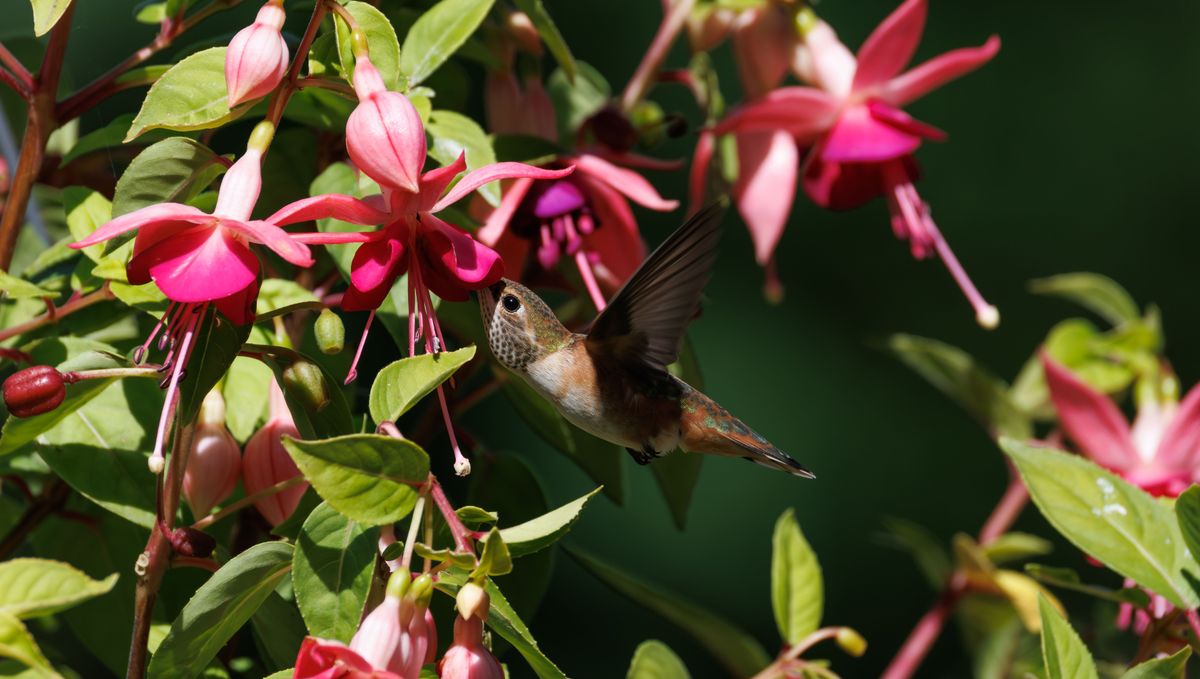
Photo by Veronika Andrews on Pexels
What surprised me: the Solar Hummingbird WindChimes maintained a consistent six-hour discharge cycle even after three days of heavy overcast weather. The build quality of these specific hummingbirds uses a reinforced polymer that doesn't just house the LED but diffuses it. In my testing, I found that the transition between red, green, and blue was fluid rather than jerky. Day three is where I noticed the difference in the solar collector; while my older waterproof solar garden ornaments struggled to trigger because of a nearby porch light, the sensors on this unit were tuned perfectly to ignore artificial light and respond only to the setting sun. The internal 600mAh battery provided enough overhead to keep the hummingbirds illuminated until well past midnight. I compared this performance to the operational steps demonstrated in the How to Use This Solar Powered Colored Ball Wind Chime YouTube guide, which highlights the importance of keeping the solar panel clear of debris to maintain charging efficiency. I made a point to leave the panel uncleaned for two weeks to simulate standard homeowner neglect, and the charging rate only dropped by about 15%. This resilience is essential when integrating these into a larger setup of waterproof outdoor solar chimes where manual maintenance might be infrequent. The weight of the hummingbirds also provides enough ballast to prevent the strings from tangling during moderate winds, a common failure point in lighter, cheaper alternatives. Here's the moment it earned its place: during a localized thunderstorm with 25mph gusts, the chimes remained untangled and the lights stayed active throughout the rain, proving the efficacy of the waterproof seals.
Establishing a Reliable Garden Lighting Framework
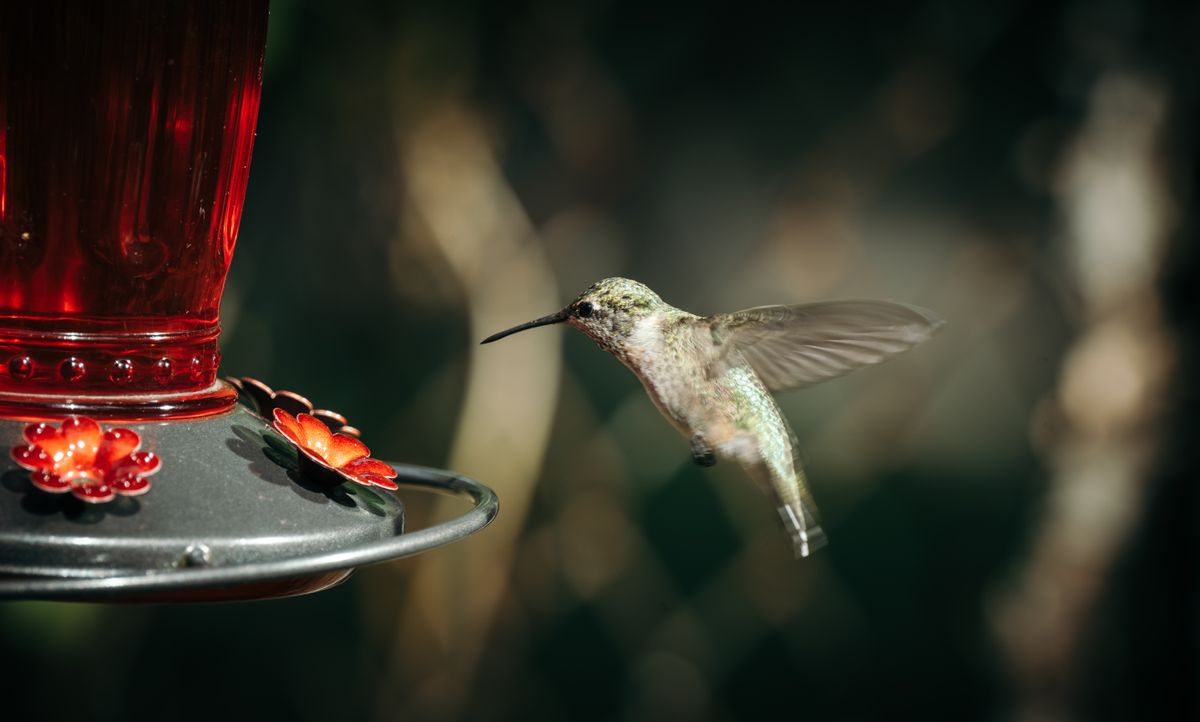
When selecting a color-changing fixture, you need to look past the initial brightness and focus on the longevity of the solar cell and the housing. I’ve found that the best setups treat the wind chime as a focal point that complements other waterproof outdoor solar chimes rather than competing with them. What I'd do differently next time is mount the unit slightly higher to catch the early morning sun, as even a few inches of shade from a fence post can reduce the evening run time by an hour. You want to ensure the placement allows for a full 360-degree view, especially since the color-changing effect is most dramatic when viewed against a dark backdrop like a cedar fence or a thick hedge. This helps the led hummingbird yard art stand out without being washed out by house lights. Based on my field notes, here is the framework I use to evaluate these units before permanent installation:
- Check the solar panel surface for a matte finish which often indicates better UV resistance than high-gloss plastic.
- Verify the toggle switch is covered by a rubberized boot to prevent water ingress.
- Test the string tension to ensure the hummingbirds won't wrap around the central support in high winds.
- Observe the color cycle for at least five minutes to ensure there are no dead zones in the spectrum.
- Confirm the hanging hook is made of stainless steel or treated metal to prevent rust streaks on your porch.
To see the full range of colors and technical specifications for these units, you can Shop Solar Hummingbird WindChimes here.