
Solar Hummingbird WindChimes and Garden Light Physics
 Priya RamanSenior Analyst
September 20, 2026 — The integration of micro-scale photovoltaic systems into decorative outdoor accents has reached a new level of efficiency with the latest Solar Hummingbird WindChimes. As sustainable landscaping becomes a standard for modern homeowners, understanding the underlying energy conversion process is essential for maximizing performance.
Modern garden illumination relies on a self-sustaining cycle of energy harvest and storage. According to Home and Garden - HowStuffWorks, solar yard lights function similarly to a satellite, generating and storing their own power during daylight hours to be released autonomously once the sun sets. This process is governed by four primary components: the solar cell, a rechargeable battery, a controller circuit, and a photoresistor. By viewing these components through a structured framework, consumers can better predict how their decorative chimes will behave across different seasons.
The Three-Phase Energy Cycle
To understand the performance of Solar Hummingbird WindChimes, think of it as a matrix of three distinct phases: the Harvest, the Retention, and the Activation. During the Harvest phase, the polycrystalline solar panel mounted atop the chime assembly absorbs photons, which knock electrons loose from silicon atoms to create an electrical current. Once you see it this way, the importance of panel orientation becomes clear. The Retention phase involves a simple boost regulator circuit that manages the flow of this current into a rechargeable Ni-MH battery. The decision rule for peak performance is simple: the duration of the night-time glow is directly proportional to the intensity and duration of the Harvest phase. Finally, the Activation phase is triggered by a photoresistor. As ambient light levels drop, the resistance within this component changes, signaling the controller to complete the circuit between the battery and the LED hummingbirds. This ensures that [how solar wind chimes work](/blog/how-do-solar-wind-chimes-work) is a process that requires zero manual intervention. However, environmental factors such as shade or debris can impact [how to position solar lights in garden](/blog/how-to-position-solar-lights-in-garden-0chrb), effectively shortening the charge cycle. The efficiency of this system also dictates [how long do solar wind chimes stay lit](/blog/how-long-do-solar-wind-chimes-stay-lit-vpe35), which typically ranges from six to eight hours under optimal conditions. Proper installation, specifically [how to hang solar wind chimes outdoors](/blog/how-to-hang-solar-hummingbird-wind-chimes), ensures the panel remains unobstructed for the duration of the solar noon.
Expert tip: To prolong the lifespan of your Solar Hummingbird WindChimes, wipe the solar panel with a damp cloth every two weeks; even a thin layer of dust can reduce photovoltaic efficiency by up to 20%, significantly impacting the battery's ability to reach a full state of charge.
By leveraging these natural energy cycles, homeowners can enjoy reliable, automated lighting that enhances the evening landscape without increasing utility costs.
Shop Solar Hummingbird WindChimes.
Sources
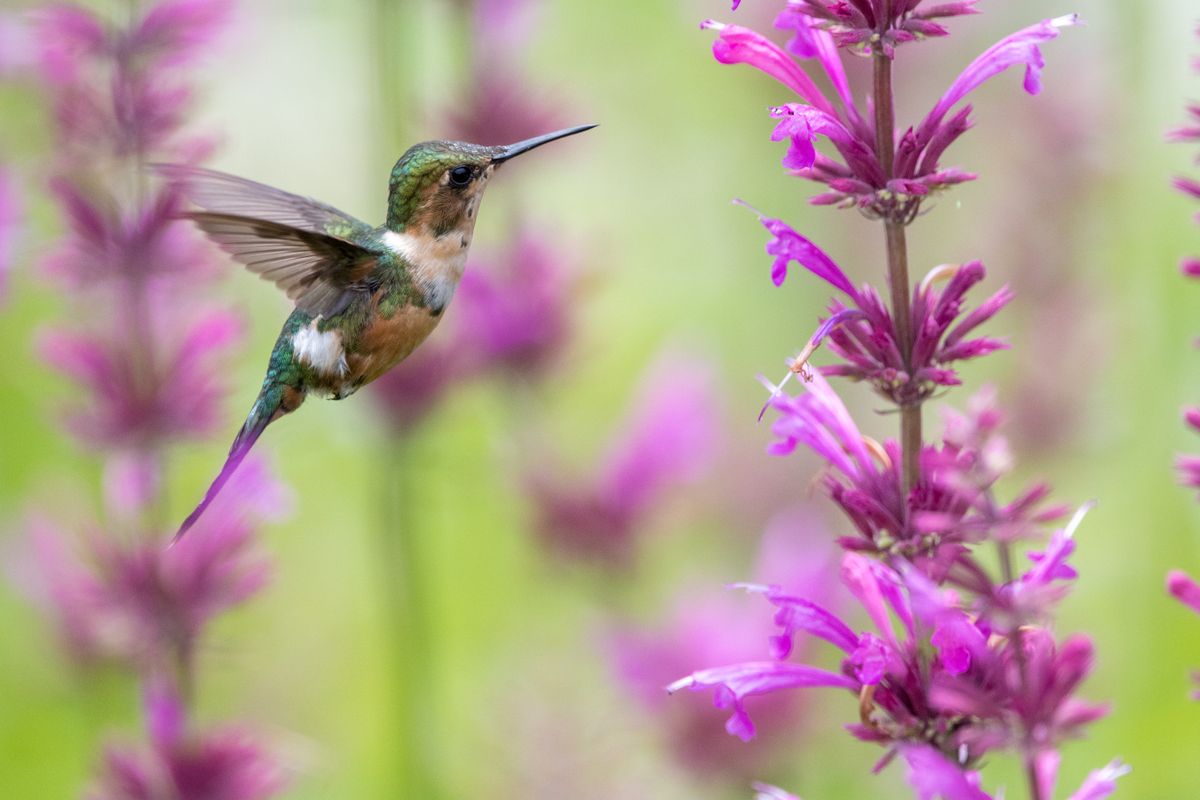
Photo by Claudia Rodriguez Casas on Pexels
- How Solar Yard Lights Work - Home and Garden - HowStuffWorks
- What's Inside a Solar Garden Light - YouTube
- How do Solar Lights Work | LEDVANCE