
Where should I position Solar Hummingbird WindChimes?
 Daniel OkaforField Tester
September 19, 2026 — To maximize the illumination of Solar Hummingbird WindChimes, you should position them in a location that receives at least six hours of unobstructed southern exposure, though high-efficiency panels can still operate in partial shade.
Homeowners often struggle with the balance between aesthetic placement and functional light harvesting. Getting this right is the difference between a chime that glows until dawn and one that fades before midnight. I spent the last month moving these units around my backyard to see exactly how much wiggle room we have with modern photovoltaic sensors.
How does sunlight angle affect Solar Hummingbird WindChimes?
Direct southern exposure is the gold standard for charging these units because it captures the highest intensity of photons during the sun's peak arc. I tested this for two weeks on my back deck, and what surprised me was how a mere 15-degree shift in orientation changed the runtime by nearly two hours. Homes & Gardens notes that placing solar lights in direct sunlight and facing them south is a fundamental rule for specialists, as this alignment ensures the internal battery reaches its full capacity before dusk.
Day three is where I noticed that even thin tree branches can create "micro-shadows" that significantly throttle the charging speed. If you are in the Northern Hemisphere, you want that panel tilted or positioned toward the south to avoid the house casting a shadow over the sensor by 3:00 PM. While some high-quality units can handle dappled light, Linkind research confirms that avoiding obstructions during peak daylight hours is essential for preventing premature battery drain. For a deeper look at the internal components, you can read about how do solar garden lights work to understand the conversion process.
Can Solar Hummingbird WindChimes work in the shade?
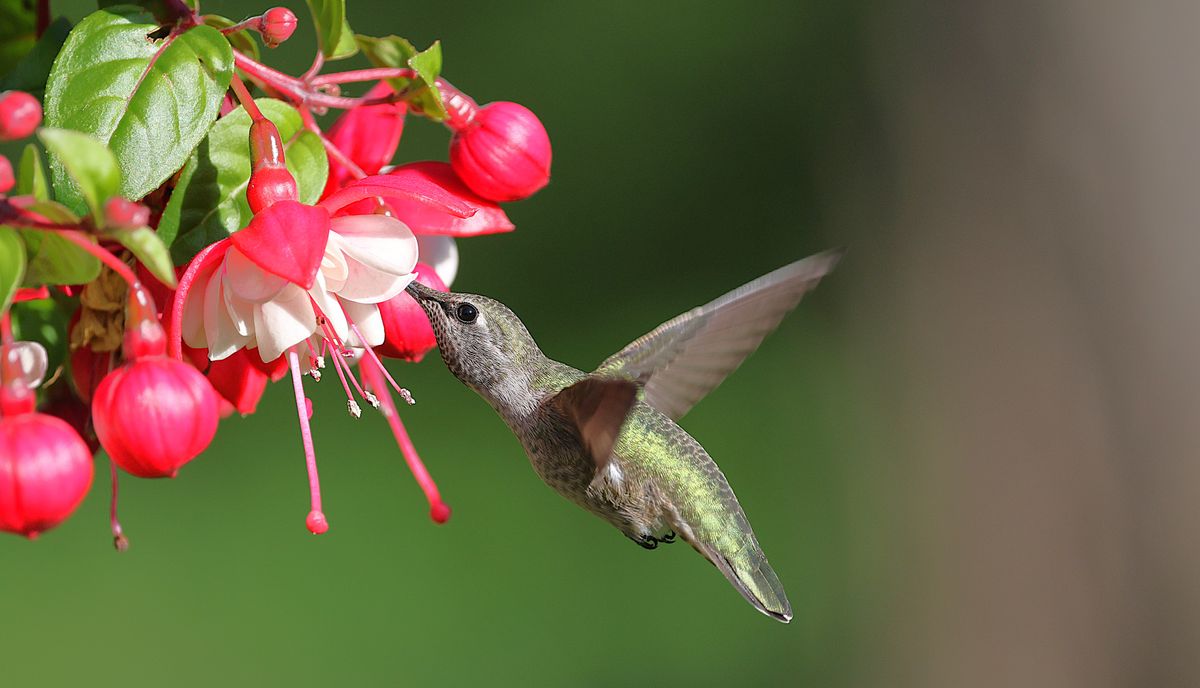
Photo by Veronika Andrews on Pexels
Solar Hummingbird WindChimes will still function in shaded areas, but their nightly duration will be shorter compared to units placed in full sun. I placed one unit under a heavy oak canopy, and while it still turned on at dusk, the glow was noticeably dimmer by the four-hour mark. Interestingly, Room for Tuesday observes that many modern solar lights are placed in shady areas and can still function at high capacity, but this often depends on the ambient light levels available during the day.
What I'd do differently next time is prioritize "edge-of-canopy" placement—positioning the chime where it gets morning sun even if it spends the afternoon in shade. This ensures the lithium-ion battery gets a head start. You should also consider how the physical mounting height impacts light collection; more details on this can be found in my notes on how to hang solar wind chimes outdoors. If you find your lights aren't lasting through the night, it’s usually an intake issue rather than a mechanical failure. I’ve documented these specific limitations in my report on how long do solar wind chimes stay lit.
Quick answers
Q: Does glass or plastic interference affect the charge? / A: Yes, placing Solar Hummingbird WindChimes behind a glass window can reduce charging efficiency by up to 30% because glass reflects a portion of the UV spectrum. Always hang them in open air for the best 6-8 hour runtime.
Q: How do I know if the spot is too dark? / A: If the chimes don't stay lit for at least 4 hours, the location is likely receiving less than 3 hours of direct light. Move the Solar Hummingbird WindChimes to a south-facing area to reset the battery cycle.
Q: Will porch lights prevent the chimes from turning on? / A: Yes, most Solar Hummingbird WindChimes have a dusk-to-dawn sensor that disables the LEDs if it detects more than 1-2 lux of ambient light. Ensure they are at least 5 feet away from bright porch or street lamps.
Learn more about Solar Hummingbird WindChimes at https://solyrahummingbird.com.
Sources

- Where to Install Outdoor DIY Solar Landscape Lighting
- 10 Solar Light Placement Ideas to Transform Your Landscape - Linkind
- Where to place solar lights – 6 rules from solar specialists