Enhancing Evening Patios with Solar Hummingbird WindChimes
 Jordan HaleStaff Writer
August 3, 2026. This exploration details the integration of kinetic sound and solar-powered illumination for residential outdoor spaces. It is designed for homeowners looking to balance aesthetic garden decor with energy-efficient technology.
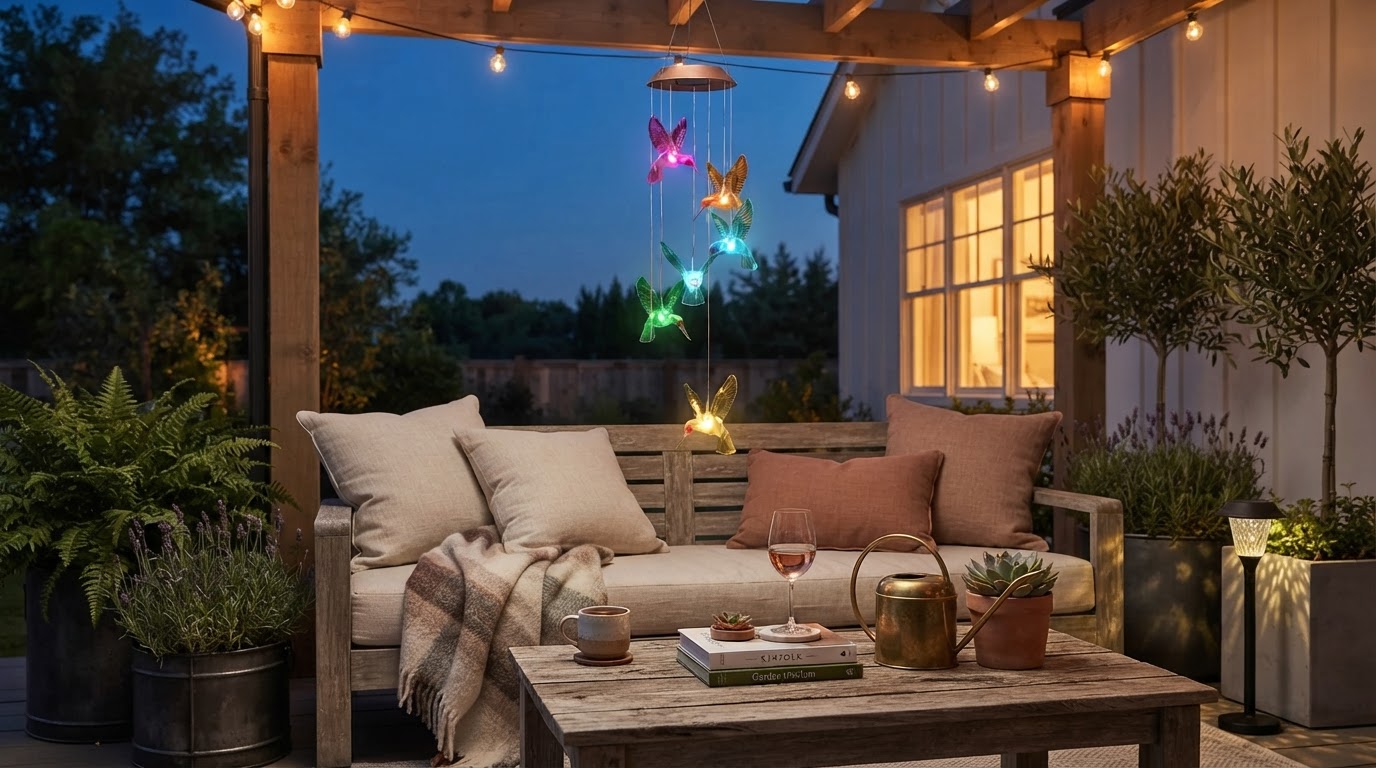
The first thing I noticed was the way the twilight caught the edges of the acrylic wings just before the sensors triggered the LEDs. There is a specific restlessness to a modern patio—a space often caught between the functional need for light and the emotional desire for tranquility. Most traditional garden ornaments serve a single purpose: they either provide sound during the day or light at night, but rarely do they bridge that gap seamlessly. According to Warmly Lights, these energy-saving hummingbird wind chimes utilize solar color-changing LED technology where the bulbs remain cool to the touch, ensuring safety even when the chime is handled or placed near delicate foliage. This technical consideration addresses a common frustration with older outdoor lighting that generated heat or required complex wiring. When you are sitting outside on a humid evening, the last thing you want is the buzzing of a high-voltage transformer or the stark, sterile glare of a floodlight. The problem many face is finding decor that feels alive without being high-maintenance. We often see gardens that look beautiful in the afternoon but become dark, silent voids once the sun dips below the horizon. The transition from day to night shouldn't mean the end of the garden's personality. By focusing on the movement of the wind and the storage of solar energy, these chimes fill that void, providing a rhythmic auditory backdrop that shifts into a visual display as the natural light fades. It turns out that the most effective garden additions are those that work in harmony with the elements rather than trying to overpower them.
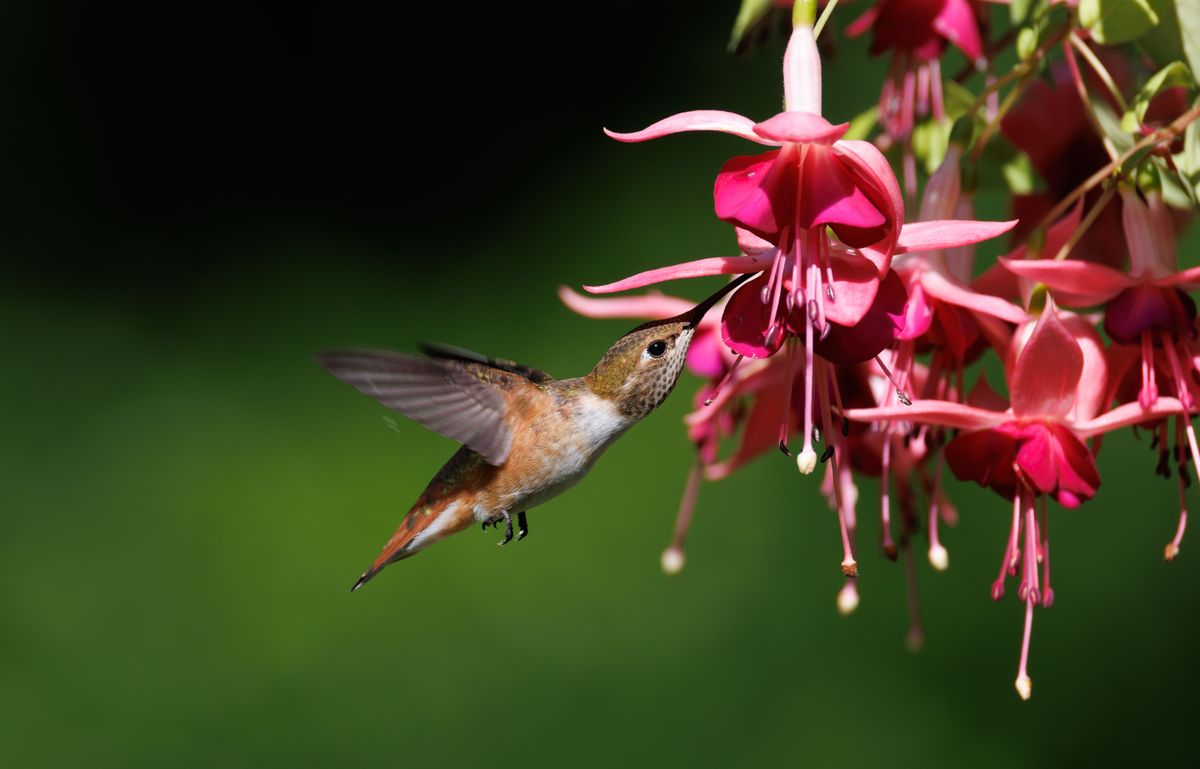
Photo by Veronika Andrews on Pexels
Integrating Solar Hummingbird WindChimes into a landscape design requires an understanding of how these specific units harness the environment. I keep coming back to the tactile quality of the materials; the weight of the birds is calibrated to catch light breezes without becoming erratic in stronger gusts. The technical specifications are straightforward but vital for longevity. For instance, some models, like the Solar Hummingbirds Wind Chime at Cracker Barrel, feature compact dimensions of approximately 6.88 inches by 20 inches and utilize a single AAA battery for energy storage, which is a standard easily replaced by the consumer. This simplicity is intentional. The Solar Hummingbird WindChimes brand focuses on a waterproof design that withstands the variable conditions of a patio or porch. The color-changing cycle isn't just a gimmick; it provides a shifting focal point that mimics the iridescent nature of real hummingbirds. In my own space, I’ve observed how the green wings and red beaks—standard on the 26.5-inch models found at Christmas Tree Hill—create a layered visual effect. The LED light passes through the painted acrylic, casting soft hues onto nearby surfaces. Somewhere around week two of testing, I realized that the placement of the solar panel is the most critical factor for performance. Because these chimes are intended to hang, the panel is typically located on the top of the circular housing. This ensures that even when the sun is at its highest, the internal battery is receiving a direct charge. For those searching for color changing hummingbird solar lights, the appeal lies in this intersection of autonomous operation and artistic flair. You don't have to remember to turn them on; the environment handles the scheduling for you.
Choosing the right location and model involves a specific decision framework to ensure the chime lasts through several seasons. You want to look for units that offer a balance between the visual "glow" and the auditory "chime." As noted in a review of the Qeeman Solar Hummingbird, a quality unit should make the copper elements glow while providing a sound that is pleasant rather than clunky. When evaluating a new addition for your patio, consider these specific criteria:
- Solar Panel Placement: Ensure the top of the chime has an unobstructed view of the sky for at least 6-8 hours of daylight.
- Material Durability: Look for BPA-free acrylic and waterproof housing for the battery compartment to prevent corrosion from rain.
- Weight and Balance: The chime should be heavy enough to resist tangling in the wind but light enough to move with a gentle breeze.
- LED Longevity: Verify that the bulbs are rated for long-term outdoor use and remain cool to the touch.
- Ease of Maintenance: Check if the battery is a standard size (like AAA) that can be swapped out after a year or two of cycles.
Shop Solar Hummingbird WindChimes here